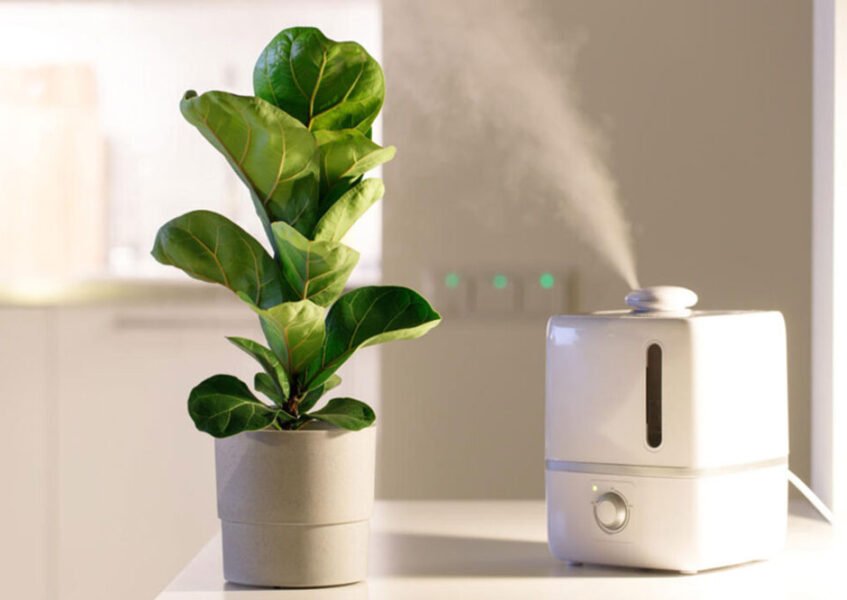
Humidifiers are indoor air devices designed to add moisture to dry environments, helping improve overall comfort and well-being. In many homes, especially those that rely on heating or air conditioning, indoor air can lose its natural moisture. This dryness can lead to discomfort and may affect both health and household materials. By restoring balance to the air, humidifiers support a more pleasant and breathable indoor atmosphere throughout the year.
Why Indoor Humidity Matters?
Indoor humidity levels have a direct impact on how comfortable a space feels. When the air becomes too dry, it can draw moisture from the skin, eyes, and respiratory system. This often results in dry skin, irritated sinuses, sore throats, and itchy eyes. Low humidity may also aggravate allergies and respiratory conditions. Beyond personal comfort, dry air can cause wooden furniture to crack, floors to shrink, and indoor plants to struggle. Maintaining balanced humidity helps protect both health and home interiors.
How Humidifiers Work?
Humidifiers work by converting water into moisture that is released into the surrounding air. Different types of humidifiers use different methods to achieve this. Evaporative models rely on natural evaporation by drawing air through a damp filter. Ultrasonic humidifiers use high-frequency vibrations to create a fine mist that disperses easily into the room. Steam humidifiers heat water until it turns into vapor before releasing it. While the technologies differ, the goal remains the same: increasing indoor humidity to a healthier level.
Health Benefits of Humidifiers
Using a humidifier can provide several health-related benefits when used correctly. Moist air helps prevent dryness in the nose and throat, making breathing more comfortable, particularly during colder months. Balanced humidity can also reduce nighttime discomfort, allowing for more restful sleep. Skin health improves as moisture in the air helps prevent dryness, flaking, and irritation. In addition, maintaining proper humidity levels may help limit the survival of certain airborne viruses, contributing to a healthier indoor environment.
Advanced Humidifiers: Combining Functions
Modern humidifiers have advanced far beyond simple moisture-dispensing devices. Many newer systems now combine humidification with air purification, offering multiple benefits in a single unit. These advanced devices are designed to monitor indoor conditions and adjust humidity automatically based on real-time needs. By maintaining ideal moisture levels while also reducing airborne particles, these systems help create cleaner and more comfortable living spaces without requiring multiple appliances.
Best Practices for Humidifier Use
To ensure effective and safe use, humidifiers should be operated with care. Monitoring indoor humidity levels helps prevent over-humidification, which can cause other issues. Regular cleaning is essential, as stagnant water can lead to bacterial or mold growth inside the device. Using clean or filtered water can help reduce mineral buildup and improve performance. Proper placement also matters, as humidifiers should be positioned where moisture can circulate evenly without settling on walls, furniture, or floors.
Additionally, humidifiers can be especially useful for households with children, older adults, or individuals who are sensitive to dry air conditions. Consistent humidity levels can help reduce minor irritations such as nosebleeds, dry coughing, and sinus discomfort, which are more common in overly dry environments. By maintaining a stable and comfortable indoor atmosphere, humidifiers contribute to a more pleasant living experience and support everyday wellness, particularly during seasonal changes when indoor air conditions fluctuate the most.
Potential Drawbacks and Safety Considerations
While humidifiers offer many benefits, improper use can lead to problems. Excess moisture in the air can encourage mold growth and increase dust mite activity, both of which can negatively impact air quality. Poor maintenance may result in contaminated mist being released into the air, potentially irritating the respiratory system. These risks highlight the importance of routine cleaning, proper humidity control, and following recommended usage guidelines.
In summary, humidifiers play an important role in maintaining a comfortable and balanced indoor environment by restoring moisture to dry air. They support respiratory comfort, improve skin hydration, and help protect household materials from damage caused by low humidity. With proper use and regular maintenance, humidifiers can significantly enhance indoor air quality and overall living comfort throughout the year.