Key Takeaways
- Investigate a vehicle’s history and understand market pricing to avoid surprises.
- Secure financing before shopping to gain better leverage and lower interest rates.
- Thoroughly inspect and test drive every car before committing.
- Pay attention to national and local market trends to maximize your budget.
- Weigh certified pre-owned options for added protection and confidence.
Buying a used car offers substantial savings compared to purchasing a new one, but making the right choices requires more than just spotting a vehicle that looks appealing. Navigating the process with care can help you avoid common pitfalls and ensure a smoother ownership experience. Whether you’re browsing used cars Atlanta or considering options in another market, taking strategic steps will protect your investment and boost confidence in your final decision.
Armed with preparation and the right information, you’ll be positioned to identify the best deals and avoid the unexpected repairs or financial headaches that sometimes crop up with pre-owned vehicles. A thorough approach is especially important as the used car market continues to shift. With prices and vehicle availability frequently in flux, knowing what to look for becomes even more valuable.
Certified pre-owned programs offer a midway point between entirely new vehicles and traditional used cars, often presenting warranties and verified quality that can tip the scales for buyers seeking added peace of mind. At the same time, understanding how to inspect, finance, and negotiate your purchase is just as important for a favorable outcome.
Research Vehicle History
A comprehensive understanding of a car’s history is essential before making a purchase decision. Always obtain a detailed vehicle history report, which reveals critical information such as prior accidents, flood damage, title issues, and odometer discrepancies. Services provide in-depth histories that can shed light on a vehicle’s true condition and help you avoid models with problematic backgrounds. For additional reassurance, the National Highway Traffic Safety Administration (NHTSA) maintains an accessible database where consumers can check for recalls and safety issues for specific makes and models.
Secure Financing Ahead of Time
One of the smartest moves is arranging financing before you ever set foot onto a dealership lot—especially if you’re shopping for Toyota highlanders near me. By exploring loan options at your bank, credit union, or reputable online lenders, you’ll know precisely what you can afford. You will likely receive better interest rates than those offered by most dealerships. Pre-approval not only streamlines negotiation—positioning you as a cash buyer—but it also protects you from being pressured into less favorable on-the-spot financing arrangements. Financial experts at NerdWallet emphasize the importance of understanding your loan terms and monthly budget upfront.
Inspect and Test Drive Thoroughly
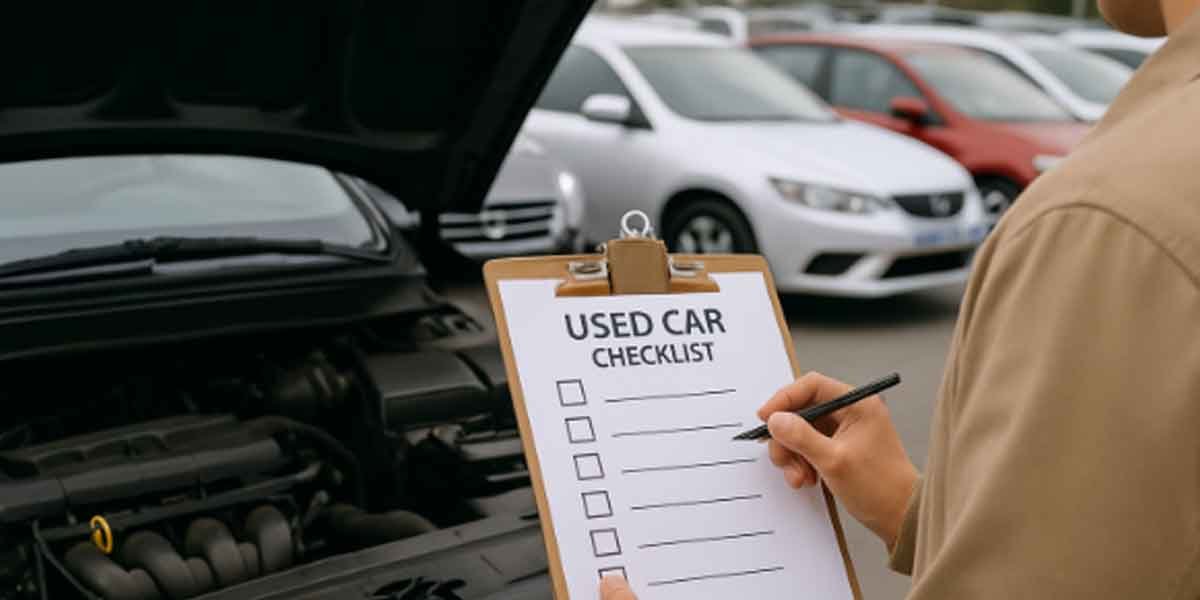
Regardless of how promising a car appears on paper, always conduct a hands-on inspection and extensive test drive. Inspect all visible elements, including paint consistency, the condition of tires and brakes, interior controls, and signs of leaks under the hood. Bring along a trusted mechanic or have a pre-purchase inspection performed by a third party if possible. During your test drive, assess the feel of the steering, brakes, acceleration, responsiveness, and any unusual sounds or vibrations. Neglecting these steps can result in thousands of dollars in unexpected repairs and a poor ownership experience.
Stay Informed on Market Trends
The used car market is evolving rapidly—driven by shifts in consumer demand, global chip shortages, and seasonal trends. Used car prices rose in the past year, with vehicles three years old or older averaging over $30,000, according to recent industry data reported by CNBC. Monitoring these fluctuations enables buyers to plan more effectively when and where to shop, and increases their bargaining power when negotiating prices.
Consider Certified Pre-Owned Options
Certified pre-owned (CPO) cars bridge the gap between new and used, offering manufacturer-backed warranties, detailed multi-point inspections, and return or exchange programs. While often priced slightly higher, the added peace of mind and reduced repair risk can make CPO vehicles a smart investment—especially for buyers planning to keep their vehicle for the long term or cover high mileage. Major brands set strict quality standards for certified vehicles, often requiring them to be newer models with lower mileage and a clean history.
Negotiate with Confidence
Negotiation is expected in the used car space. Arrive at the lot with research in hand—know the average value for the car you want, factoring in age, mileage, and condition. Armed with your financing and a willingness to walk away, you’ll have the leverage needed to request price reductions, ask for repairs, or secure added perks like an extended service contract. Dealerships are accustomed to negotiation; a clearly stated budget and willingness to stand your ground often result in meaningful savings.
Finalize the Purchase
When you’re ready to close the deal, don’t rush through the paperwork. Ensure the title is clean, and the vehicle identification number (VIN) matches the documents. Review the contract for errors or undisclosed fees, confirm warranty or CPO details, and ask about return policies in case unexpected issues arise after the sale. Take the time to register the vehicle in your name properly, and if buying from a private seller, ensure that payment is made securely.
Final Thoughts
Making a smart used car purchase is about much more than simply finding a low price. Careful planning, thorough research, and diligent inspections set the stage for a rewarding and trouble-free experience. By taking advantage of certified programs, securing your financing, and monitoring the latest market trends, you’ll position yourself for the best possible deal—ensuring your next pre-owned car suits your needs and your budget for years to come.