
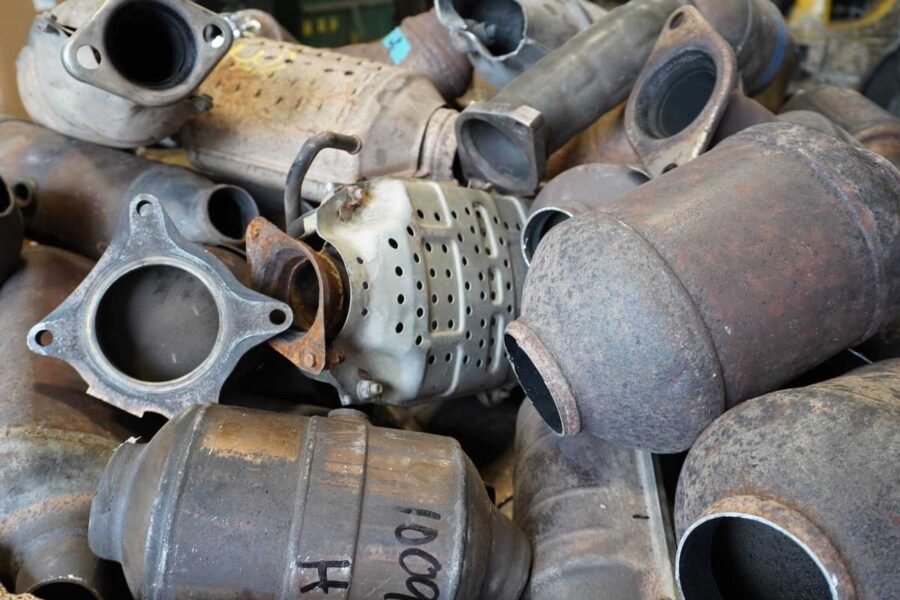
The scrap and recycling market rarely stands still. Prices shift with global metal demand, environmental regulations continue to evolve, and processors are under more pressure than ever to recover maximum value from end-of-life components. In that environment, premium automotive scrap remains a major point of attention—especially when it comes to catalytic converters from high-end brands.
Among these, BMW consistently stays in focus. For dismantlers, recyclers, scrap dealers, and even fleet operators, understanding why a BMW converter often attracts special interest can make a meaningful difference in recovery strategy and profitability. The topic is bigger than brand recognition alone. It comes down to material composition, market behavior, processing standards, and access to reliable recycling partners.
In a changing market, knowing what drives converter value helps businesses avoid underpricing, reduce risk, and make smarter decisions about sorting and settlement.
Why catalytic converter values continue to fluctuate
A catalytic converter is not valued like ordinary auto scrap. Its worth is tied primarily to the precious metals contained inside the substrate—typically platinum, palladium, and rhodium. These metals play an essential role in emissions control, but they also trade in highly active global commodity markets. That means the value of any car catalytic converter can rise or fall based on factors far beyond the local scrapyard.
Several forces are shaping converter prices today:
- Precious metal volatility: Palladium and rhodium have seen dramatic swings over recent years, affecting settlement values across the board.
- Vehicle production trends: Supply chain disruptions and changes in new car output can impact both demand for metals and availability of scrap units.
- Environmental compliance: Stricter emissions standards have historically increased precious metal loadings in many vehicles.
- Recycling sophistication: The more accurate the sampling, assaying, and settlement process, the more precise the valuation becomes.
For businesses handling automotive scrap, this creates both opportunity and complexity. A converter that looks similar externally may vary significantly in actual recoverable metal content. That is one reason premium makes, including BMW, continue to receive close attention from experienced buyers and refiners.
Why BMW converters remain attractive in the recycling market
BMW has long been associated with performance engineering, strict emissions compliance, and strong build quality. Those same characteristics can also influence how the market perceives converter value. While exact pricing depends on the specific unit, serial information, ceramic or metallic substrate type, and assay results, BMW converters are frequently examined carefully because they often come from vehicles designed to meet demanding regulatory and performance requirements.
There are a few reasons this matters:
1. Premium vehicles often command premium attention
Luxury and performance-focused vehicles often use emissions systems designed to support both engine output and compliance standards. In practical terms, that can mean converters with valuable precious metal content. Not every premium vehicle guarantees a high-value unit, of course, but the segment consistently attracts attention from specialized recyclers.
2. Brand-specific knowledge reduces pricing mistakes
Generalized pricing can leave money on the table. Buyers who understand BMW applications, model ranges, and converter variants are in a stronger position to classify units correctly. This is especially important because small differences in part type can create large differences in actual recoverable value.
3. Export-grade and specialist markets reward accuracy
As the recycling industry becomes more data-driven, accurate identification is becoming just as important as access to volume. Specialized markets increasingly favor partners who can process, sample, and settle material using transparent methods rather than rough estimates.
That is why many sellers today are looking beyond local convenience alone. They want processors and trading partners who understand the value chain from sourcing to assay to final settlement.
The hidden challenge: not all converter valuations are equal
One of the biggest problems in the market is inconsistent valuation. A converter may be priced based on appearance, a broad catalog estimate, or a quick yard-side offer without proper analytical backing. For sellers, that creates uncertainty. For buyers, it introduces risk.
When BMW units are involved, that challenge becomes even more important. High-interest converters deserve a process that matches their potential value. This means:
- Clear identification and categorization
- Secure logistics and handling
- Proper decanning or processing where applicable
- Homogenized sampling procedures
- XRF or ICP analysis for more accurate metal assessment
- Transparent settlement terms after assay
In other words, it is not enough to know a converter came from a premium vehicle. The real value is unlocked through professional downstream handling.
How the smartest sellers protect value in today’s market
If you are dealing with BMW converters—or any other high-interest catalytic units—there are several practical steps that can improve outcomes.
Keep units traceable
Whenever possible, maintain records on origin, model type, and part details. Traceability supports more accurate quoting and reduces disputes later in the chain.
Separate premium categories
Mixing premium units with low-grade scrap can dilute value. Segregating converters by make, model, or known code family helps preserve pricing opportunities.
Work with specialists, not just general scrap buyers
A knowledgeable recycling partner can often see value where a general buyer sees only mixed auto scrap. This is particularly relevant for BMW material, where identification and assay quality can directly affect returns.
Prioritize assay-backed settlement
In a volatile market, assumptions become expensive. Professional testing and transparent analysis can provide far more confidence than estimate-based offers.
For many in the industry, this is where established specialist platforms make a difference. Companies such as Recohub, based in the UAE’s major logistics environment, are part of a new generation of recycling partners connecting collectors, recyclers, and refiners through structured sourcing, processing, and trade. That matters in a market where reliability, documentation, and global logistics can have just as much impact as spot pricing.
Why logistics and market access matter more than ever
Converter value does not exist in isolation. It depends on how efficiently material moves from collection to processing to final recovery. Delays, poor packaging, weak documentation, and fragmented trading channels can all reduce net returns.
This is one reason internationally positioned recycling firms continue to gain attention. A company operating from a strong logistics hub can often provide smoother movement of material, better coordination with refiners, and more consistent access to global markets. In practice, that can help sellers recover value more efficiently and with fewer transaction headaches.
For businesses handling premium automotive scrap, this is especially relevant. BMW converters are too important to be managed through informal or opaque channels. Whether you are a dismantler clearing end-of-life stock or a larger scrap operator building a higher-value converter stream, choosing the right downstream partner is increasingly a strategic decision.
BMW converters in a changing industry outlook
The long-term outlook for catalytic converter recycling remains strong, even as the automotive sector evolves. Internal combustion vehicles will remain part of the global fleet for years, and hybrid vehicles continue to contribute to converter demand as well. At the same time, pressure to recover critical materials responsibly is only increasing.
That puts a spotlight on premium converter categories. BMW remains one of the most closely watched brands because it sits at the intersection of performance engineering, regulatory standards, and recycling value. For sellers, this means there is real benefit in understanding not just what they have, but how it should be handled.
If your operation wants better results from converter recycling, the key is simple: combine careful sorting with experienced downstream support. A specialized partner can help you assess a bmw converter more accurately, reduce uncertainty around precious metal recovery, and move material through a more transparent value chain.
In a market defined by volatility, the winners are rarely those who move fastest without information. They are the ones who identify value correctly, process responsibly, and build relationships with partners who understand both the material and the market. For anyone working with premium automotive scrap, that is the difference between an average transaction and a smarter one.
For readers looking to better understand converter recycling, valuation practices, and specialist recovery options, Recohub’s catalytic converter resource is a useful place to start.