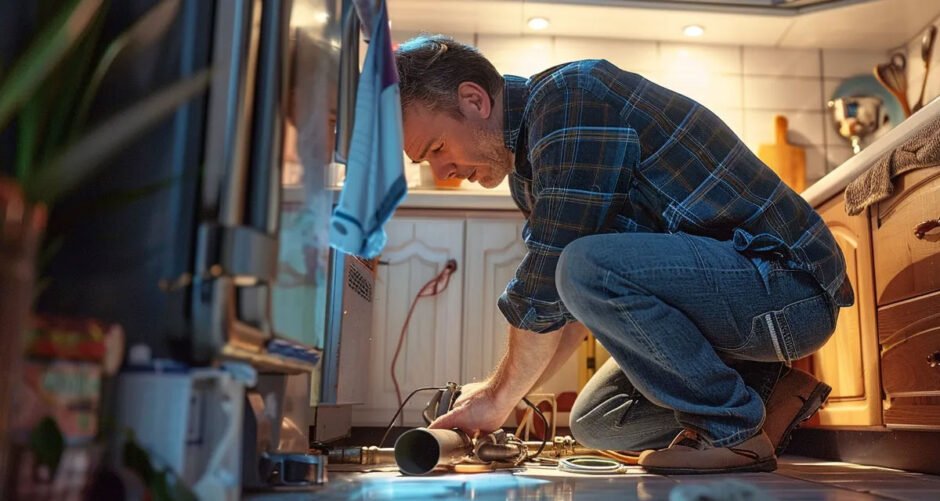
Homeowners often overlook the plumbing system when considering home safety measures. Yet, statistics show that water damage accounts for almost 23.8% of all homeowners’ insurance property damage claims in the United States. Regular plumbing maintenance plays a crucial role in securing a safer home environment by preventing potential hazards.
Understanding the links between plumbing maintenance and home safety can help safeguard your property and health. In this article, we explore the various benefits of keeping a well-maintained plumbing system and provide actionable advice for homeowners.
Regular Plumbing Maintenance and Home Safety Connections
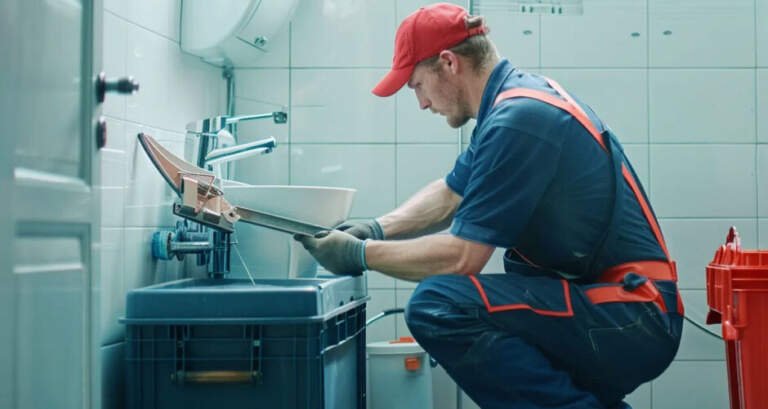
plumber A direct correlation exists between regular plumbing maintenance and enhanced home safety. Routine inspections and maintenance can identify small issues before they escalate into serious problems that can pose risks to a home’s structural integrity and occupants’ wellbeing.
For instance, a simple leak in a hidden pipe, if left unaddressed, can lead to significant water damage and even compromise the structural stability of walls or floors. Through regular maintenance, these leaks can be detected and repaired swiftly, mitigating the risks associated with water damage.
Homeowners should establish a schedule for regular plumbing checkups. Annual inspections by qualified plumbers, combined with monthly homeowner checkups of visible piping, can form an effective maintenance routine that promotes safety and peace of mind.
Preventing Water Damage and Mold Through Proactive Measures
To prevent water damage and the proliferation of mold in your home, proactive plumbing maintenance is vital. Mold not only affects the integrity of your household structures but can also have severe implications for indoor air quality and health.
Moist environments created by dripping faucets or leaky pipes are prime breeding grounds for mold. The CDC reports that mold exposure can lead to respiratory issues or exacerbate conditions like asthma. Regular plumbing maintenance helps keep your home dry and mold-free by addressing moisture sources before they become a larger issue.
Homeowners can take proactive measures by regularly inspecting areas prone to moisture, such as under sinks, around toilets, and in basements. Swift action to repair leaks and adequate ventilation in humidity-prone areas are effective strategies to guard against water damage and mold.Mold prevention strategies are a key component of a homeowner’s maintenance checklist.
Ensuring Clean Drinking Water with Systematic Plumbing Checks
Access to clean drinking water is non-negotiable for health and wellbeing. Regular plumbing maintenance is instrumental in safeguarding water quality by preventing the contamination that can arise from corroded pipes or backflow incidents.
Pipes corroding from the inside out may not be immediately evident, yet they can release harmful metals like lead into your water supply. Systematic plumbing checks can identify at-risk pipes before they deteriorate to this point. Furthermore, backflow prevention devices, which are mandatory in some areas, need regular testing to ensure they function correctly.
Homeowners are advised to work with certified plumbers who can perform tests on water quality, inspect pipes for signs of corrosion, and verify that backflow prevention devices are in place and fully operational. These checks can be vital in maintaining healthy water for your home.
Reducing Risks of Gas Leaks and Carbon Monoxide Poisoning with Maintenance

Plumbing maintenance also encompasses the safety of gas lines, which is a lesser-known but critical aspect. Well-maintained plumbing can significantly reduce the risks of gas leaks and carbon monoxide (CO) poisoning.
Gas leaks not only pose a fire risk but can also result in health emergencies due to CO poisoning, a colorless and odorless gas that can be lethal in high concentrations. Regular inspections of gas-powered appliances, such as water heaters and boilers, along with the surrounding piping, ensure they are operating correctly and safely. Carbon monoxide detectors should also be part of every home’s safety equipment, with routine checks to ensure they are functioning.
Actionable steps include scheduling professional annual inspections of all gas appliances and related plumbing. Homeowners should also learn to recognize the signs of a gas leak, such as a sulfuric smell or hissing sounds near gas lines, and ensure CO detectors are installed and tested regularly.CO poisoning prevention tips can be a valuable resource for families.
In conclusion, regular plumbing maintenance is a crucial aspect of ensuring home safety. From guarding against water damage and mold growth to ensuring the purity of drinking water and reducing the risk of gas leaks, the benefits of maintenance are clear and wide-ranging. Homeowners should embrace a proactive approach to plumbing care to protect their property and loved ones against hidden dangers.