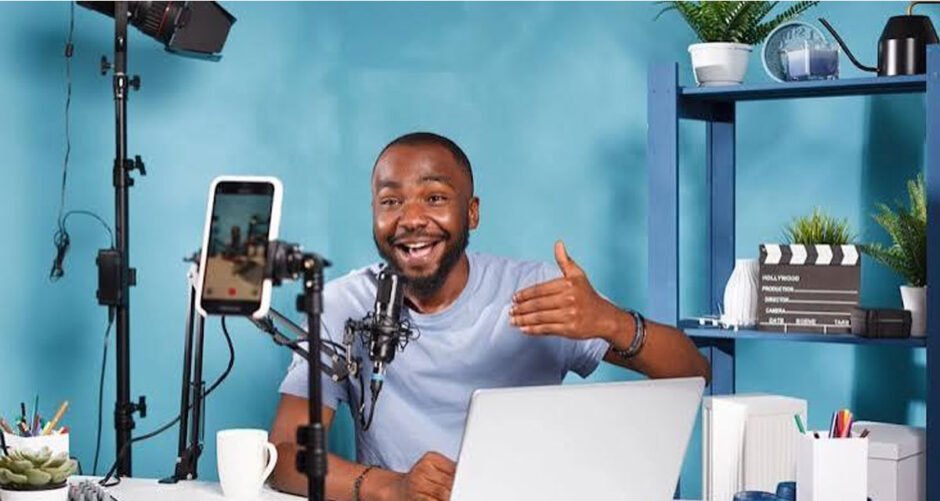
Most people picture a job in the creator economy as becoming a creator yourself: camera, ring light, an audience built from nothing. But a lot of the real growth is happening off camera. Goldman Sachs projects the creator economy will roughly double to $480 billion by 2027, and a good share of that money goes to the editors, strategists, and managers who keep creators’ channels running, not to the creators alone. US full-time-equivalent jobs in this space jumped from roughly 200,000 in 2020 to about 1.5 million in 2024, and almost none of them required posting a single video. This is how to get a job in the creator economy without ever being the one on screen.
What Jobs Can You Get Working for a Creator?
Once a creator’s audience gets big enough, they usually start hiring a small team around themselves. These are the roles that keep coming up:
- Video editor: cuts raw footage into a finished video.
- Thumbnail designer: makes the image that decides whether anyone clicks.
- Scriptwriter: writes the hook, structure, and pacing for a video.
- YouTube strategist or channel manager: handles the upload schedule, titles, and overall growth.
- Social media manager: cuts long videos into Reels, Shorts, and TikToks.
- UGC creator: makes ad-style content for brands without needing a personal following.
- Influencer partnerships manager: finds and negotiates brand deals on a creator’s behalf.
- Paid ads / media buyer: manages the ad spend behind a creator’s products or courses.
Build the Skills and a Portfolio
This is the part that actually matters if you want a job like this: almost nobody gets hired off a resume. People get in by showing edited clips, sample thumbnails, or a script they wrote on their own time, not a list of credentials, since hiring in this space runs on what you can show, not where you studied.
Pick one skill instead of trying to do everything at once: editing in DaVinci Resolve or Premiere Pro, thumbnail design in Canva, or scriptwriting for a specific niche. You don’t need to pay for any of it either. YouTube tutorials, Skillshare courses, and interviews where creators talk through their own process will get you most of the way there. None of the software is hard to get your hands on anymore. Getting good at it just takes time.
Then build a portfolio through spec work. Take a real creator’s existing video and re-edit it your own way. Design a few alternate thumbnails for something that’s already live. Write a sample script for a topic their channel would probably cover anyway. It’s the fastest way to prove you can actually do the job, and it shows that specific creator you already understand their content, which most applicants never bother to do.
Where to Find Creator Economy Jobs and How to Land One
Job boards are the quickest way to see what’s actually open. Sites like YTJobs and CreatorJobBoard post roles directly from creators and the companies around them, and listings don’t stay open long. YTJobs saw a 33% year-over-year jump in postings in one recent quarter, with average pay for editors up 18%. Upwork and Fiverr work too, especially if you just need a first paid gig for your portfolio.
The other option is reaching out to creators directly. Cold outreach actually works in this space, because most channels don’t have an HR department. It’s usually just the creator, or maybe one producer, deciding who to trust. Mention a specific recent video, point out something you’d have done differently, and send the spec work you made for their channel instead of a generic reel. Offering a cheap trial edit or a small thumbnail set takes the risk off them, and it’s often the fastest way to get hired without a network or a track record.
Conclusion
None of this requires being a creator, having an audience, or holding a particular degree. It comes down to picking one skill, proving you can do it with real work, and putting that work in front of the right person.
Hiring in the creator economy is moving faster than in most traditional industries, and it’s based almost entirely on what you can show rather than where you went to school. Build a small portfolio, reach out directly, and a job working for creators, without becoming one yourself, is realistic.