
Fire safety regulations can feel complex, technical, and overwhelming—especially for commercial building owners, property managers, and business operators juggling multiple compliance obligations. Yet at their core, these regulations exist for one simple reason: to protect lives, property, and business continuity.
This guide breaks down commercial fire safety requirements in clear, practical terms, helping you understand what’s required, why it matters, and how to stay compliant without unnecessary stress. We’ll also touch on the role of AFSS certification, which plays a critical part in demonstrating ongoing fire safety compliance for many commercial properties across Australia.
Why Fire Safety Regulations Matter
Fire safety laws aren’t just bureaucratic hurdles. In a commercial setting, fires can spread quickly due to building size, occupancy levels, electrical loads, and stored materials. Regulations are designed to:
- Reduce the risk of fire starting
- Detect fires early
- Enable safe evacuation
- Assist emergency services
- Minimise damage and downtime
Failing to comply can result in fines, legal liability, insurance issues, or—in worst-case scenarios—serious injury or loss of life.
The Legal Framework (In Plain English)
Fire safety in Australian commercial buildings is governed by a combination of:
- The National Construction Code (NCC) – sets minimum design and construction standards
- State and local legislation – enforcement and ongoing compliance requirements
- Australian Standards – technical benchmarks for systems and equipment
Together, these rules dictate what fire safety measures a building must have and how they must be maintained over time.
Key Fire Safety Systems Explained
Most commercial buildings are required to have several fire safety features in place. The exact requirements depend on building size, age, use, and occupancy, but commonly include:
- Fire Detection and Alarm Systems: These systems provide early warning through smoke detectors, heat sensors, and audible alarms, allowing occupants to evacuate quickly.
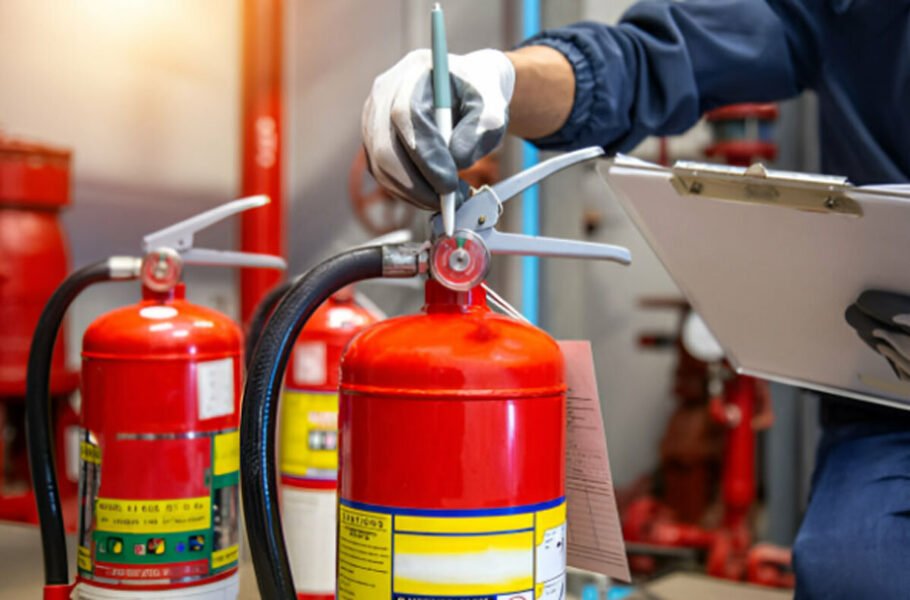
- Fire Suppression Equipment: This may include fire extinguishers, fire hose reels, and sprinkler systems. Each must be appropriate to the fire risks present in the building and regularly inspected.
- Emergency Lighting and Exit Signage: In a fire or power outage, emergency lighting and illuminated exit signs guide occupants to safety.
- Fire Doors and Compartmentation: Fire-rated doors, walls, and floors help contain fire and smoke, slowing spread and protecting evacuation routes.
- Evacuation Plans and Fire Safety Training: Clear evacuation diagrams and trained staff ensure occupants know what to do in an emergency.
What is an Annual Fire Safety Statement (AFSS)?
An Annual Fire Safety Statement (AFSS) is a formal declaration that a building’s essential fire safety measures have been inspected, tested, and maintained in accordance with legal requirements.
In simple terms, it’s proof that:
- Required fire safety systems are in place
- Those systems are working as intended
- Maintenance has been carried out by competent professionals
Submitting an AFSS annually is mandatory for many commercial properties and is often reviewed by councils and insurers.
Who is Responsible for Compliance?
Responsibility usually sits with the building owner, even if the property is leased. However, tenants may also have obligations depending on their lease agreement, particularly where fit-outs or operational fire risks are involved. Clear communication between owners, property managers, and tenants is essential to avoid gaps in compliance.
Common Compliance Mistakes to Avoid
Many fire safety breaches are unintentional and easily preventable. Common issues include:
- Missing or outdated inspections
- Blocked fire exits or inaccessible extinguishers
- Non-compliant tenant fit-outs
- Incorrect or incomplete documentation
- Assuming compliance carries over after renovations
Regular audits and professional assessments help catch these issues early.
How to Stay Compliant Without the Headache
The simplest way to manage fire safety compliance is to take a proactive, structured approach:
- Keep accurate records of inspections and maintenance
- Schedule routine checks well before deadlines
- Engage qualified fire safety professionals
- Review obligations after building changes or tenancy updates
Treating fire safety as an ongoing process—rather than a once-a-year task—reduces risk and stress significantly
Fire safety regulations for commercial buildings don’t have to be confusing; when broken down, they’re about preparedness, prevention, and accountability. Understanding your obligations, maintaining essential systems, and ensuring proper certification helps protect people, property, and your business reputation. If you’re unsure where your building stands, seeking professional guidance early can save time, money, and serious complications down the line.