
Think about your last online order. You clicked a button. A few days later, a box was at your door. It feels simple, almost magical.
But that magic isn’t real. What happens between the click and the delivery is a complex dance. It’s powered by a vast, mostly unseen network. This is the logistics machine. It’s the true backbone of how we shop and live now.
The Click That Starts It All
Your order begins its life as a digital signal. It zips from your device to a merchant’s system. But that’s just the first spark.
Instantly, that signal triggers a chain reaction in a warehouse. An order is generated. Inventory systems update. A worker, or perhaps a robot, receives instructions. They navigate towering aisles to pick your exact item from a shelf among millions.
This isn’t a slow process. It’s measured in minutes. Speed and accuracy here are everything. A single mistake here can delay everything that follows.
The Journey to the Truck
Your item is picked, but it’s not ready to go. It moves to a packing station. Here, it’s placed in a box with the right amount of dunnage that’s the industry term for packing paper or air pillows. The goal is protection, not waste.
A label prints out. This slip of paper or sticker is the item’s passport. It holds the entire journey in a barcode: destination, route, and tracking number. It’s scanned. Now, the system knows your package is in the system and moving.
From here, packages begin to converge. They travel on conveyor belts. They’re sorted into bins or carts based on their final destination by city, by zip code, by delivery route. Your package meets its travel companions, all heading in the same general direction.
The Critical Middle Mile
This next step is crucial, and often the most complex. It’s called the middle mile. Your package needs to get from a large regional warehouse to a delivery hub near you.
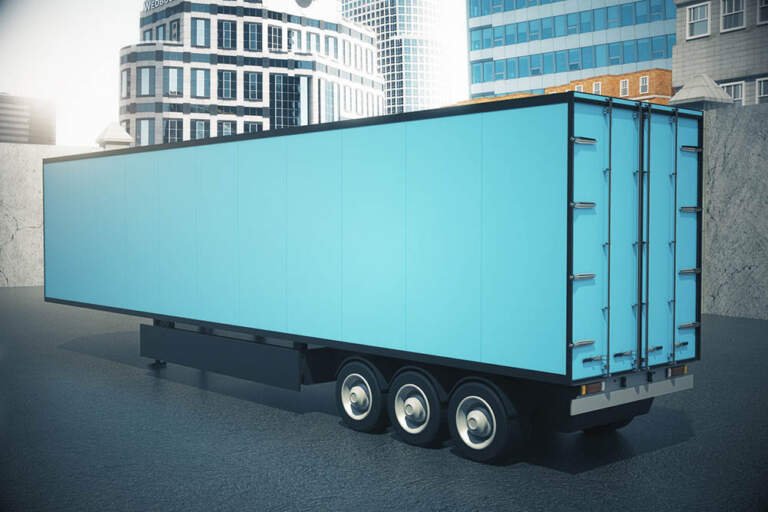
This is where scale and efficiency really matter. Boxes are loaded into larger containers. These are placed on pallets. Those pallets need to move. They might go on a massive semi-truck, into the cargo hold of a plane, or into a shipping container on a train.
Coordinating this movement is a huge puzzle. It’s about filling trucks to capacity, hitting precise departure times, and managing costs. For many businesses, this is the hardest part. They need a reliable, flexible way to move freight.
This is exactly where a Deliveree freight delivery partner becomes essential. Think of them as the experts who solve this specific piece of the puzzle. They don’t just move small parcels. They handle the pallets, the crates, the large shipments that form the bulk of commerce. A good Deliveree freight delivery partner provides the trucks, the drivers, and the local knowledge to get goods from distribution centres to local hubs efficiently. They are the vital link in the middle.
The Final Sprint to Your Door
Your package arrives at a local delivery depot. This is where the final sort happens. It’s chaotic in an organized way. Vans are being loaded for specific routes.
A delivery driver scans their assigned packages. They map out their day—not just by address, but by logic. Right turns are better than left turns across traffic. Apartment complexes are grouped. Delivery windows are considered.
Then, they’re off. This final leg is the most visible part of the whole process. We see the vans in our neighbourhoods. We meet the drivers. But by this point, 90% of the journey is already done.
The driver navigates, finds your home, parks, and completes the delivery. They scan the package one last time. You get a notification: “Your package has been delivered.” The loop is closed.
Why This Invisible System Matters
We only notice this system when it breaks. A delayed package. A wrong item. A lost shipment. These failures make the news.
But think of the millions of deliveries that go right every single day. That consistency is what allows small businesses to compete globally. It lets you order fresh groceries, critical medicine, or a last-minute gift with confidence.
This network also has to adapt constantly. Holiday rushes. Weather disasters. Global events that snarl ports. The system isn’t perfect, but it’s resilient. It finds new routes. It rebalances loads. It keeps things moving.
The Human Element
It’s easy to call this automation. And a lot of it is. But at every key point, there’s a person.
The warehouse picker. The freight planner who books the truck. The Deliveree freight delivery partner driver manoeuvring a large shipment through city streets. The last-mile courier carrying a box to your porch in the rain.
Technology coordinates the movement, but people make the decisions and handle the exceptions. They solve the problems no algorithm could predict.
So next time a box arrives, take a second to think about its journey. It crossed through a seamless, mostly invisible web of places, machines, and human effort. That journey, from a warehouse shelf to your doorstep, is the unspoken promise of modern life. It’s the quiet hand that makes our on-demand world possible. And it’s working, tirelessly, right now.