Running a restaurant means juggling a thousand little things at once, and somehow trying to make it all look smooth from the outside. One of the easiest ways to get a bit of sanity back, especially in the kitchen, is by using a kitchen display system, usually just called a KDS.
If you’re still using paper tickets or depending on someone yelling orders across the room, this might be the upgrade you didn’t know you were overdue for.
So, What Exactly Is a Kitchen Display System?
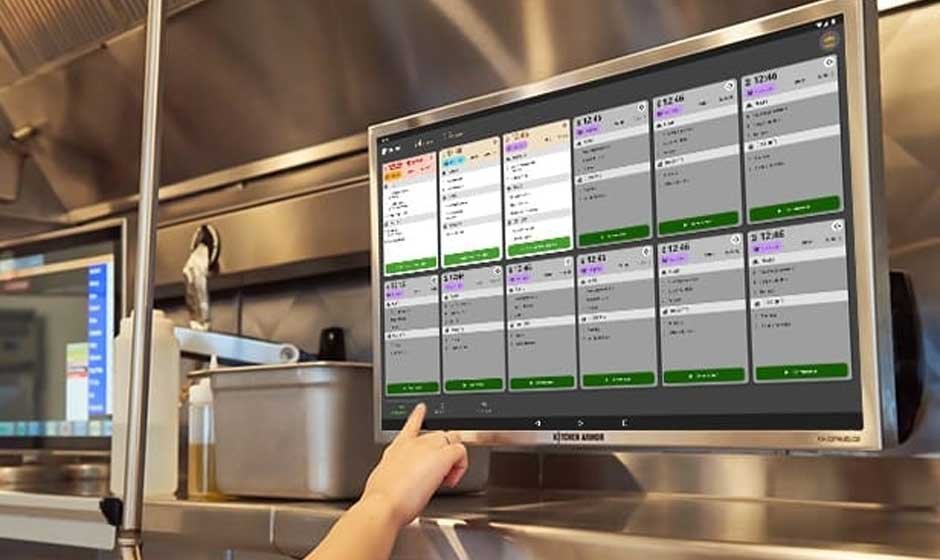
In the simplest terms, a KDS is a screen in the kitchen that shows orders the moment they’re placed. Instead of waiting for a printer to spit out a ticket or decoding someone’s scribbled handwriting, everything pops up clearly on a digital display. It connects directly to your POS, and if your restaurant handles online orders, those will show up too, no bouncing between tablets and sticky notes.
A smart kitchen display system can even sort orders by station (grill, salads, bar, etc.), so people only see the items they’re responsible for. And since it updates in real time, the staff knows exactly what’s new, what’s cooking, and what’s ready to go.
What Should a Good KDS Actually Include?
Not every system is created equal, and you don’t want something that slows down the kitchen instead of speeding it up. A solid KDS usually has:
- Fast setup and easy integration — something you can plug in and start using without a tech expert hovering nearby.
- A clean, obvious interface — no tiny buttons or confusing screens during a dinner rush.
- Customizable layouts — fonts, colors, views… all the little things that surprisingly make a big difference under pressure.
- Order routing to multiple stations — this one’s huge if your kitchen has different prep areas.
- Analytics & reporting — like how long tickets are taking, or which items often slow the kitchen down.
- Support for multiple fronts — dine-in, takeout, delivery, kiosk, and whatever else your restaurant uses.
You want something that feels like it’s making life easier, not adding extra chores.
Why Restaurants Staff Love Using a KDS?
Here’s where a lot of owners and managers see the real payoff:
- Smoother Order Management
Paper tickets get messy. They fall, they smear, they get lost, or they’re just plain unreadable. With a digital screen, all the orders are clear and appear the second they’re placed. Less chaos, fewer mistakes, faster output.
- Better Communication Between Front and Back of House
When you eliminate handwriting (no offense to servers with doctor-level penmanship), things get much clearer. Special requests, substitutions, allergies, everything is easy to read and less likely to be forgotten. Both sides of the restaurant stay synced because the KDS updates instantly.
- Performance Insights You Can Actually Use
A lot of KDS platforms include built-in reporting. They track ticket times, which dishes take the longest, and even which shifts run slow or fast. These little pieces of data help when you’re trying to improve workflows or make staffing changes.
- One System for All Your Ordering Channels
Most restaurants aren’t relying just on walk-ins anymore. There’s online ordering, delivery app orders, takeout, kiosks… the whole list. Instead of dealing with all those devices and apps separately, a KDS funnels everything into one flow so the kitchen doesn’t get blindsided.
- Less Paper Waste (and Lower Costs)
Once the kitchen stops printing tickets all day, your paper usage goes down, along with your printer problems. On top of that, with fewer order mistakes, you’re not tossing out as much food.
- Durability and Room to Grow
KDS screens are usually built to handle heat, grease, and everything else that gets thrown at them in a real kitchen. If you grow or add more stations, most systems let you expand easily without needing a full overhaul.
How to Get Started with a Kitchen Display System?
The good news is that setup is usually pretty straightforward:
- Install the hardware — typically a touchscreen, though some kitchens prefer “bump bars” so cooks can navigate without touching the screen.
- Connect it to the POS — this syncs your menu, modifiers, and routing settings.
- Customize the layout — pick how you want orders displayed, adjust colors, assign stations, etc.
- Train the staff — a quick walk-through is usually enough, but it’s smart to run through busy-hour scenarios so everyone feels comfortable.
- Use the reports — check in on your ticket times and kitchen flow regularly, especially in the first few weeks.
Takeaway
If your kitchen still relies on paper tickets or verbal communication, there’s a good chance you’re dealing with delays, confusion, and unnecessary stress. You need to start implementing restaurant automation starting with getting hands on a smart kitchen display system that can streamline the chaos into something much more organized and predictable.
It doesn’t just modernize your kitchen but helps everyone work together more efficiently and gives you insights you might not get any other way.
In short: a good KDS can change the entire rhythm of your restaurant for the better.